
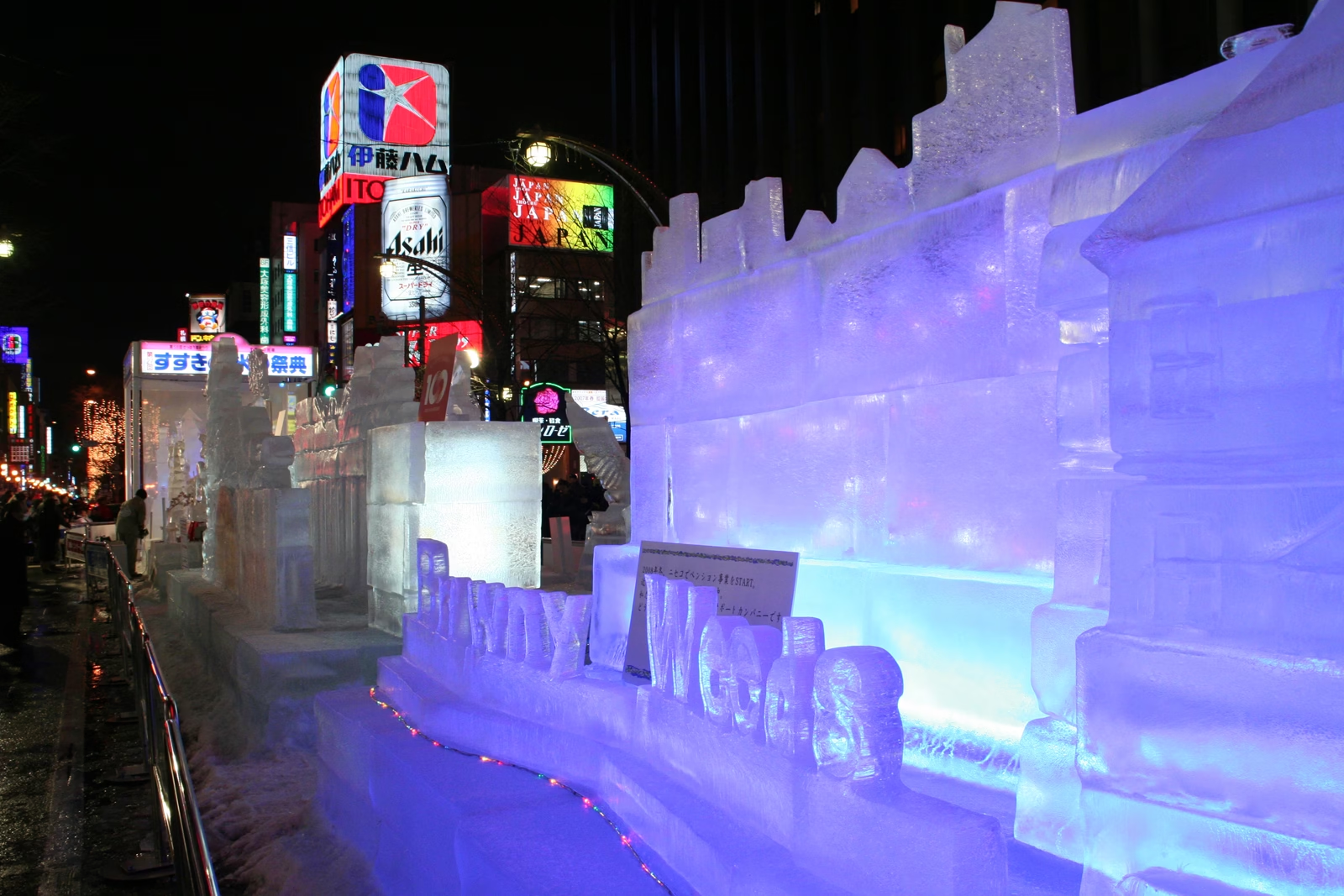
- Why Sapporo Is the Gateway to Snowy Japan
- 1. What Winter in Sapporo Is Really Like
- 2. Getting Around Sapporo in Winter
- 3. Best Areas to Stay in Winter
- 4. Sapporo Snow Festival: What Visitors Should Know
- 5. Winter Clothing: What You Actually Need in Sapporo
- 6. Food Culture in Winter: Why Sapporo Is a Paradise
- 7. Day Trips from Sapporo in Winter (Reality Check)
- 8. Safety and Health in Winter Sapporo
- 9. English Support and Communication
- 10. Who Should Visit Sapporo in Winter?
- Conclusion: Sapporo Is the Best Introduction to Snowy Japan
Why Sapporo Is the Gateway to Snowy Japan
Hello, this is the ShimaSuki editorial department.Sapporo, the capital city of Hokkaido, is one of the best places in Japan for foreign visitors to experience winter.
It combines heavy snow, reliable infrastructure, excellent food, and relatively strong English support—a rare balance in snowy regions.
That said, winter in Sapporo is not always easy. Snowfall is intense, temperatures drop far below freezing, and walking outside can be physically demanding.
This guide explains what winter in Sapporo is really like, and how foreign travelers can enjoy the city safely, comfortably, and confidently.
1. What Winter in Sapporo Is Really Like
Snowfall and Temperature Reality
- Snow usually starts in late November and continues until March
- Snow accumulates daily, not just during storms
- Temperatures often range from -5°C to -12°C (23°F to 10°F)
Snowbanks along roads can be higher than a person, especially after heavy snowfall.
What Surprises Visitors Most
- Snow does not melt during the day
- Sidewalks are compacted snow or ice
- Even short walks can feel exhausting
Winter in Sapporo requires physical and mental preparation, not just warm clothes.
2. Getting Around Sapporo in Winter
Walking: Easier Underground Than Above Ground
Walking outdoors can be slippery and slow, especially downtown.
Solution:
Sapporo has an extensive underground pedestrian network, especially between:
- Sapporo Station
- Odori Park
- Susukino
These underground walkways are warm, flat, and connect shopping malls, restaurants, and subway stations.
👉 Use underground routes whenever possible.
Subway and Public Transport
Sapporo’s subway system is reliable even in winter.
- Subways rarely stop due to snow
- Stations are heated
- Signs are bilingual (Japanese / English)
Buses operate normally but may run late during heavy snowfall.
Practical Tip:
Use subways for city travel and avoid relying on buses during snowstorms.
3. Best Areas to Stay in Winter
Sapporo Station Area (Best for First-Time Visitors)
Pros
- Easy airport access
- Many hotels
- Underground connections
Cons
- Less nightlife
👉 Best choice for travelers worried about snow and mobility.
Odori Park Area (Balanced Option)
Pros
- Central sightseeing location
- Easy subway access
- Near Snow Festival sites
Cons
- Slightly longer walks outdoors
Susukino (Food & Nightlife Lovers)
Pros
- Best dining area
- Lively atmosphere even in winter
Cons
- Slippery streets at night
- Louder environment
4. Sapporo Snow Festival: What Visitors Should Know
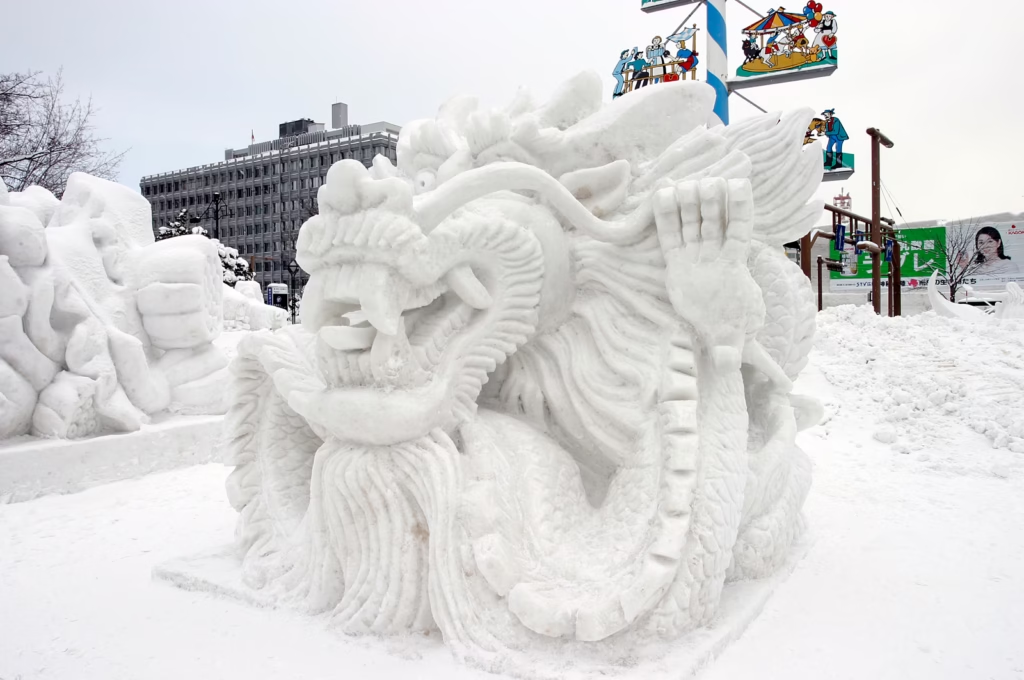
The Sapporo Snow Festival (early February) is world-famous—but challenging.
Common Problems
- Extreme crowds
- Slippery packed snow
- Long waits in cold temperatures
Practical Advice
- Visit snow sculptures during weekday mornings
- Wear thermal layers even if it looks sunny
- Take breaks indoors frequently
The festival is magical—but physically demanding.
Sapporo Snow Festival:official site
5. Winter Clothing: What You Actually Need in Sapporo
Essential Items
- Waterproof winter boots with strong grip
- Thermal inner layers
- Long down coat covering hips or thighs
- Gloves, scarf, knit hat
Common Mistake
Visitors often wear fashionable coats but non-waterproof shoes, leading to cold, wet feet.
👉 In Sapporo, footwear matters more than style.
6. Food Culture in Winter: Why Sapporo Is a Paradise
Winter is the best season for Sapporo’s food.
Must-Try Winter Foods
- Sapporo miso ramen
- Soup curry
- Fresh seafood (crab, scallops)
Many restaurants are underground or indoors, making dining easy even during storms.
Tip:
Use food courts and underground restaurants to avoid walking outside unnecessarily.
7. Day Trips from Sapporo in Winter (Reality Check)
Otaru (Recommended)
- 30–45 minutes by train
- Snowy canal scenery
- Easy even for beginners
👉 Best winter day trip.
Niseko / Furano (Not a Day Trip)
- Long travel times
- Weather-dependent
- Risky same-day return
👉 Stay overnight instead of day-tripping.
8. Safety and Health in Winter Sapporo
Slipping and Falling
This is the number one injury risk.
Advice
- Walk slowly
- Keep hands free
- Avoid sudden direction changes
Dry Air and Dehydration
Heated indoor spaces are very dry.
Advice
- Drink water regularly
- Use hotel humidifiers if available
9. English Support and Communication
Compared to rural areas, Sapporo is foreigner-friendly.
- English signs in stations
- Hotel staff often speak English
- Tourist information centers are helpful
However, small local restaurants may not speak English.
Tip:
Pointing, translation apps, and polite gestures work well.
10. Who Should Visit Sapporo in Winter?
Ideal For
- First-time snow travelers
- Food-focused travelers
- Visitors wanting comfort with winter scenery
Not Ideal For
- Those who dislike cold
- Travelers with mobility issues (unless well-prepared)
Conclusion: Sapporo Is the Best Introduction to Snowy Japan
Sapporo offers one of the most accessible winter experiences in Japan, combining deep snow with modern convenience.
With the right clothing, accommodation choice, and travel pace, foreign visitors can experience the beauty of snowy Japan without unnecessary stress.
Sapporo is not just cold—it is memorable, delicious, and uniquely Japanese in winter.