Hello, this is the ShimaSuki editorial department.
Tokyo feels overwhelming at first.
The airport is big.
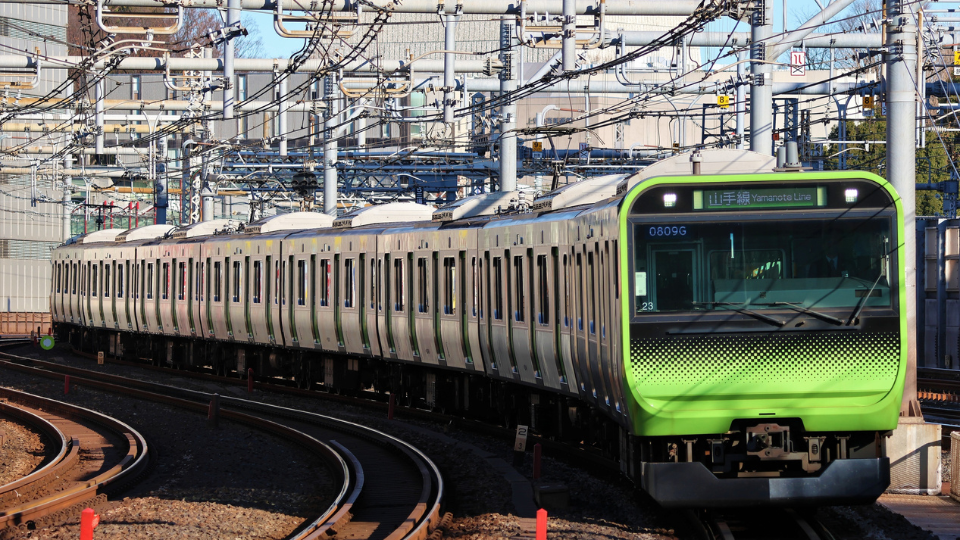
The trains look complicated.
Everything moves fast — and yet, everyone is quiet.
If this is your first time in Japan, take a breath.
Tokyo is not as hard as it looks.
You just need to understand how it works.
This guide will walk you through your first 48 hours in Tokyo, step by step.
1️⃣ Before You Land – What You Actually Need
You do NOT need:
✖ To speak Japanese
✖ To exchange a large amount of cash at the airport
✖ To understand the entire train system in advance
You DO need:
✔ A translation app (Google Translate works well)
✔ A credit card + some cash
✔ Google Maps
✔ Calm energy
Tokyo is structured.
Once you understand the system, it becomes predictable.
2️⃣ From Airport to City – The First Big Moment
Tokyo has two major airports:
- Narita International Airport
- Haneda Airport
Narita → Tokyo
Options:
- Narita Express (direct, comfortable)
- Keisei Skyliner (fast to Ueno)
- Airport limousine bus
Travel time: approx. 1–1.5 hours.
Haneda → Tokyo
Options:
- Tokyo Monorail
- Keikyu Line
Travel time: approx. 20–40 minutes.
💡 Tip:
Google Maps in Japan is extremely accurate.
Follow it step by step.
3️⃣ How to Use Trains Without Panic
Tokyo trains look complex because:
- Multiple companies operate them
- Lines overlap
- Maps are dense
But here’s the secret:
You do NOT need to understand the system.
You only need to follow your route.
Buy an IC Card
Get a Suica or PASMO card.
Tap in. Tap out. That’s it.
No ticket confusion.
If you take the wrong train?
You just get off and adjust. No drama.
4️⃣ Cash or Card? The Truth
Tokyo is largely cashless, but not fully.
You can use credit cards at:
- Hotels
- Large restaurants
- Convenience stores
But small ramen shops may require cash.
Recommended:
Carry around ¥10,000–20,000 in cash for safety.
ATMs inside 7-Eleven stores work well with foreign cards.
5️⃣ Why Is Tokyo So Quiet?
This surprises many first-time visitors.
Trains are quiet.
People don’t talk loudly.
Phone calls are avoided.
It’s not coldness.
It’s respect for shared space.
Follow the atmosphere:
- Speak softly
- Avoid phone calls on trains
- Stand on one side of escalators (left in Tokyo)
That’s enough.
6️⃣ Why Are There No Trash Cans?
You’ll notice it immediately.
Public trash cans are rare.
Solution:
- Carry a small plastic bag
- Dispose of trash at convenience stores
Tokyo is clean because people take responsibility for their waste.
7️⃣ Ordering Food Without Japanese
You will be okay.
Many restaurants:
- Have photo menus
- Use ticket machines
- Have English support
If not, say:
“This one, please.”
Pointing works.
Politeness matters more than language skill.
8️⃣ First 48-Hour Plan (Realistic Pace)
Day 1
- Arrive
- Check in
- Walk around your neighborhood
- Eat something simple
- Sleep early
Day 2
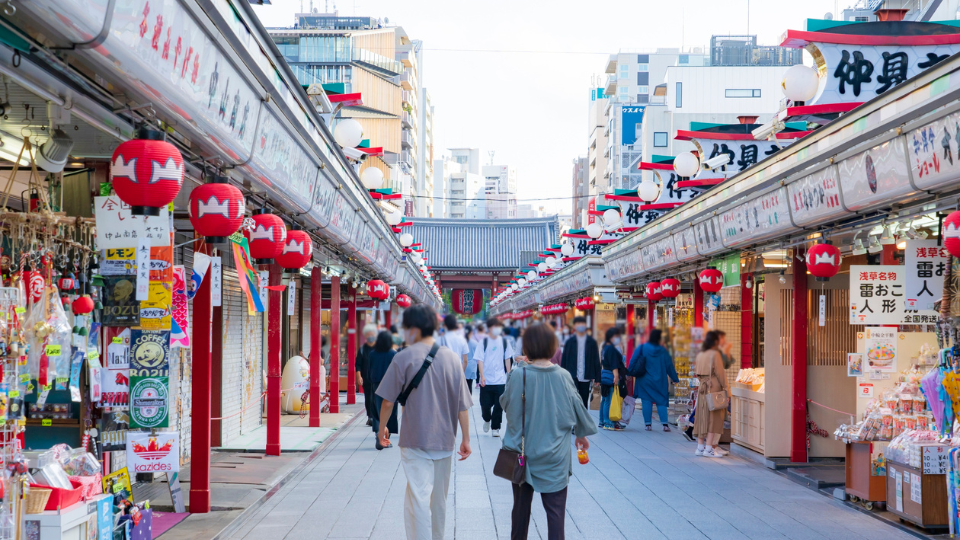
- Explore one major area only (Shibuya, Asakusa, or Shinjuku)
- Don’t overschedule
- Take breaks
Jet lag + stimulation = fatigue.
Tokyo rewards slow exploration.
9️⃣ What If Something Goes Wrong?
Missed train?
Take the next one.
Wrong platform?
Check Google Maps again.
Lost?
Show your destination on your phone.
Japanese staff are extremely helpful, even with limited English.
You are not alone.
10️⃣ The Most Important Advice
You will feel unsure in the beginning.
That’s normal.
Tokyo feels complicated —
until suddenly, it doesn’t.
Once you ride your first train successfully,
everything becomes easier.
Confidence builds fast here.
Final Thought
Tokyo is not chaotic.
It is organized.
It is quiet.
It is efficient.
And once you understand the rhythm,
it becomes one of the easiest cities in the world to navigate.
Welcome to Japan.
You’re going to be fine.