
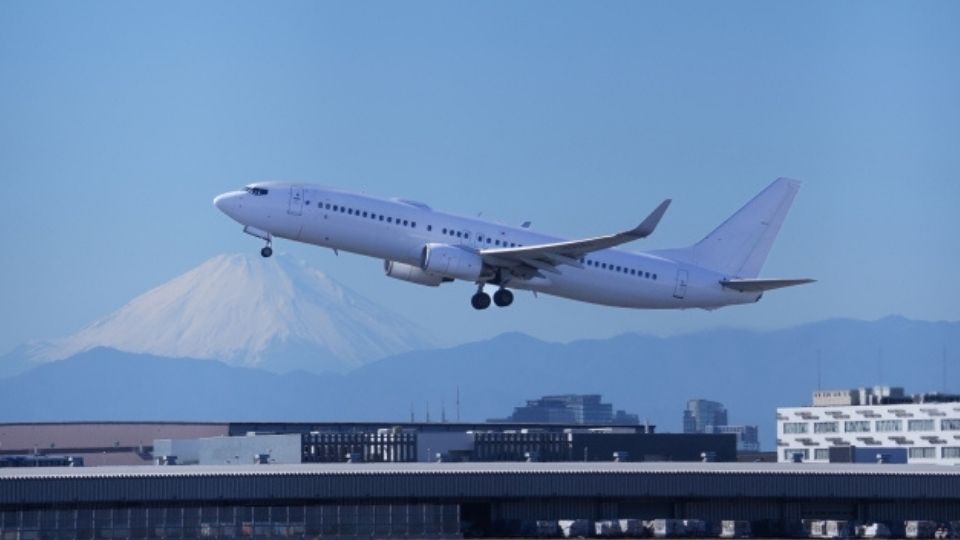
A Complete Access & Survival Guide for 2026 Travelers
During Japan’s major holidays (late April to early May), reserved seats on trains like the Shinkansen and N’EX often sell out weeks in advance. Additionally, heavy highway traffic can cause airport limousine buses to be delayed by several hours. Always check availability and allow double the usual travel time if using the road during this peak period.
Navigating Japan’s transportation network can be the most rewarding yet daunting part of your journey. As we move into 2026, new station areas and improved luggage services are making “Hands-Free Travel” the new gold standard. This guide breaks down the essential logistics for Japan’s five key international gateways to ensure your arrival and departure are as seamless as a Shinkansen ride.
- ✈️HND 1. Haneda Airport: The Urban Gateway
- ✈️NRT 2. Narita International Airport: The Global Hub
- ✈️KIX 3. Kansai International Airport (KIX): Gateway to Western Japan
- ✈️FUK 4. Fukuoka Airport: The World’s Most Convenient Airport?
- ✈️CTS 5. New Chitose Airport: Hokkaido’s All-Season Hub
- The “Pro” Traveler’s Toolkit
✈️HND 1. Haneda Airport: The Urban Gateway
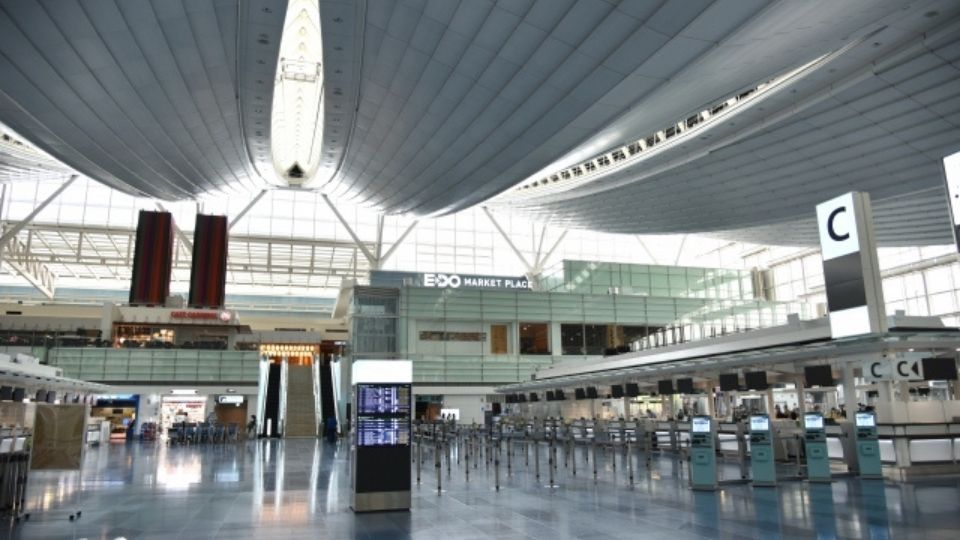
Located exceptionally close to central Tokyo, Haneda is the preferred choice for business travelers and those arriving on late-night or early-morning flights. Its proximity means you can often be at your hotel within 30 to 45 minutes of clearing customs.
Choosing Your Line: Keikyu vs. Monorail
- Keikyu Line: Best for those heading to Shinagawa, Ginza, or Asakusa. The “Airport Limited Express” connects directly to the Toei Asakusa subway line.Tip: At Shinagawa, the transfer to the Shinkansen is very efficient—just follow the green signs for “Shinkansen.”
- Tokyo Monorail: Best for Hamamatsucho and Tokyo Station area. It offers scenic views of Tokyo Bay and connects to the JR Yamanote Line at Hamamatsucho.
Limousine Bus Advantage
If you are staying at a major hotel in Shinjuku, Shibuya, or Roppongi, the Limousine Bus is highly recommended. While slightly more expensive than the train, it eliminates the struggle of navigating station stairs with heavy suitcases.
✈️NRT 2. Narita International Airport: The Global Hub
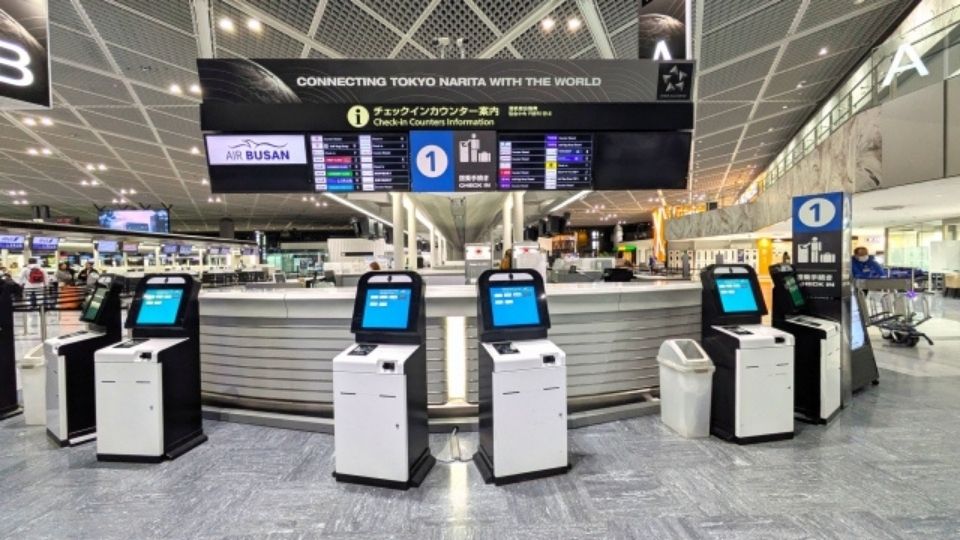
While further from Tokyo than Haneda, Narita remains the primary international hub. The key to Narita is choosing the right transport based on your budget and destination, as costs can range from 1,300 JPY to over 4,000 JPY.
N’EX vs. Skyliner
- Narita Express (N’EX): Ideal if you are going to Tokyo Station, Shinjuku, or Yokohama. It offers spacious luggage racks and all-reserved seating.
- Keisei Skyliner: The fastest way to Ueno and Nippori (only 36 minutes). If your accommodation is in Northern Tokyo, this is your best bet.
Budget Access: High-Speed Buses
The “Low Cost Bus” (often referred to as the Airport Bus TYO-NRT) is a savior for budget travelers, costing significantly less than express trains. However, terminal navigation is crucial: Narita has three terminals. Terminal 3 is for LCCs (Low Cost Carriers) and requires a 10-15 minute walk or a shuttle bus from Terminal 2.
✈️KIX 3. Kansai International Airport (KIX): Gateway to Western Japan
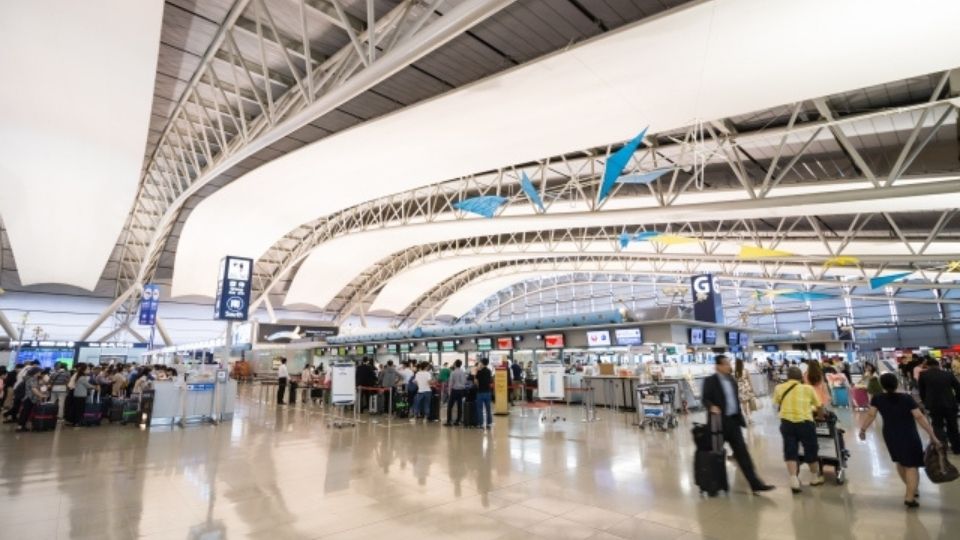
Built on a man-made island, KIX serves as the starting point for visitors to Osaka, Kyoto, and Nara. With the recent expansion of the “Umekita” underground platforms at Osaka Station, access has never been better.
Express Trains: Haruka & Rapi:t
- Limited Express Haruka: Decorated with Hello Kitty motifs, this train connects KIX directly to Osaka (Umekita), Kyoto, and Nara. It is the gold standard for those heading straight to Japan’s ancient capitals.
- Nankai Rapi:t: Boasting a retro-futuristic design, this is the fastest link to Namba, the heart of Osaka’s shopping and street food district.
2026 Update: The new Osaka Station (Umekita area) platforms have shortened the walk to the JR lines significantly. If you are staying in the Umeda area, taking the Haruka to Osaka Station is now much faster than the old airport rapid trains.
✈️FUK 4. Fukuoka Airport: The World’s Most Convenient Airport?
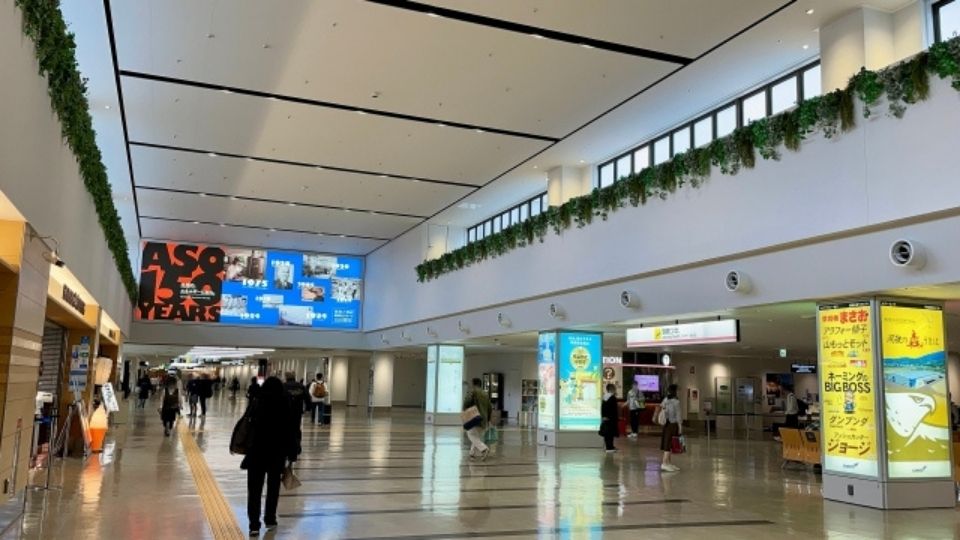
Fukuoka Airport is legendary for being located right in the middle of the city. For many visitors, the proximity is a shock—the runway is visible from many downtown office windows.
5 Minutes to the City Center
The Fukuoka City Subway connects the International Terminal (via a short free shuttle from the Domestic Terminal) to Hakata Station in just 5 minutes and Tenjin in 11 minutes. No other major Japanese city offers this level of speed.
The “Last-Minute” Itinerary
Because the airport is so close, you don’t need to head there 4 hours early. You can enjoy a final bowl of Hakata Ramen or do some last-minute shopping at the Kawabata Shopping Arcade, hop on the subway, and be at your gate with time to spare.
✈️CTS 5. New Chitose Airport: Hokkaido’s All-Season Hub
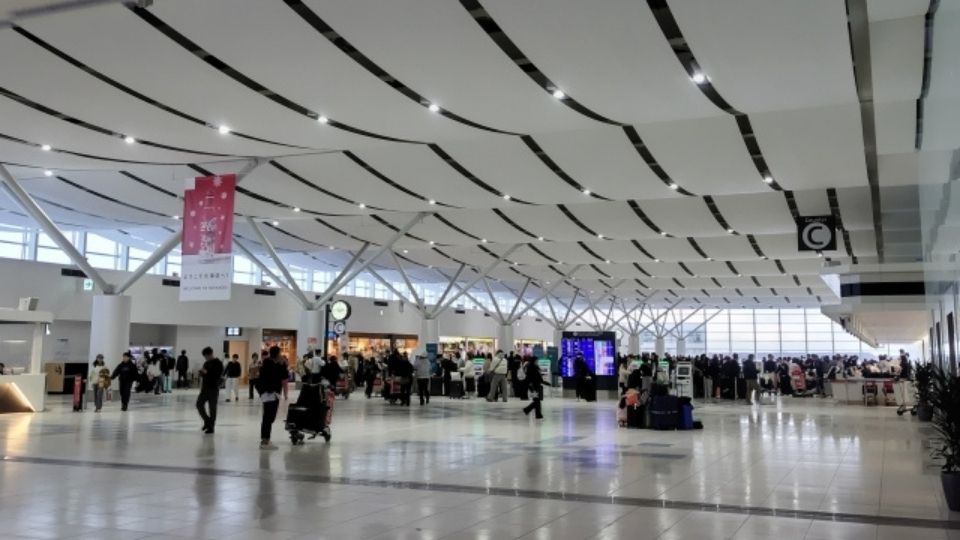
New Chitose is more than just an airport; it’s a destination featuring a cinema, an onsen, and a chocolate factory. While winter is peak season for skiing, the early summer (June) is increasingly popular for the lavender fields and cool weather.
Rapid “Airport” Train Tips
- u-seat: For a few hundred yen extra, you can book a “u-seat” (reserved seat). In 2026, these are highly sought after. Since the train can get very crowded with commuters, having a reserved space for you and your luggage is well worth the cost.
- Bus vs. Train: If your hotel is in the Susukino area or if you have excessive luggage (skis/snowboards), the airport bus is often better as it drops you directly at major hotel entrances, saving you from navigating the busy Sapporo Station.
The “Pro” Traveler’s Toolkit
Hands-Free Travel (Luggage Forwarding)
Don’t drag your bags through crowded stations. Use Ta-Q-Bin (Airport Delivery Service). Most hotels allow you to send your luggage to the airport 2 days before your flight.
Deadline: Usually 12:00 PM (noon) the day before your flight to ensure it arrives at the airport counter on time. Look for the “Black Cat” (Yamato Transport) or JAL ABC counters.
Last-Minute Shopping List
Forgot a gift? You can find these essentials at almost every airport departure area:
- Tokyo Banan: A must-buy for Tokyo visitors.
- Shiroi Koibito: Hokkaido’s famous chocolate biscuits, available nationwide.
- Ichiran Ramen Kits: Bring the famous tonkotsu flavor home.
- Royce’ Nama Chocolate: Keep in mind they need a cooling bag (available at the shop).
The IC Card (Suica/Pasmo) Exit Strategy
Before you leave, you might have a few hundred yen left on your Suica or Pasmo.
- Spend it: Use the remaining balance at airport convenience stores (FamilyMart, Lawson) or vending machines. You can pay the difference in cash.
- Refund: You can return the card at the respective ticket offices (JR for Suica, Private lines for Pasmo) to get your 500 JPY deposit back, though a small handling fee may apply to the remaining balance.
📦How to Use Airport Luggage Delivery (Hands-Free Travel)
Don’t struggle with heavy bags on crowded trains! You can send your luggage from your hotel directly to the airport counter.
Step 1: Check the Deadline (Shipping date)
You must send your luggage at least 2 days before your flight (by noon the day before for some areas).
(フライトの2日前、もしくは前日の正午までに発送手続きを完了させてください。)
Step 2: Fill out the Waybill at Front Desk
Ask your hotel front desk for an “Airport Delivery Waybill” (空港宅急便伝票 / Kuko Takkyubin).
Provide your Departure Date, Flight Number, and Terminal.
Step 3: Pick up at the Airport
On your departure day, go to the Delivery Service Counter (e.g., Yamato Transport, JAL ABC) at the airport.
Show your copy of the waybill and your passport to collect your bags.
💡 Useful Phrase for Hotel Staff:
“I would like to send my luggage to the airport.”
(荷物を空港まで送りたいです / Nimotsu o kuko made okuritai desu.)