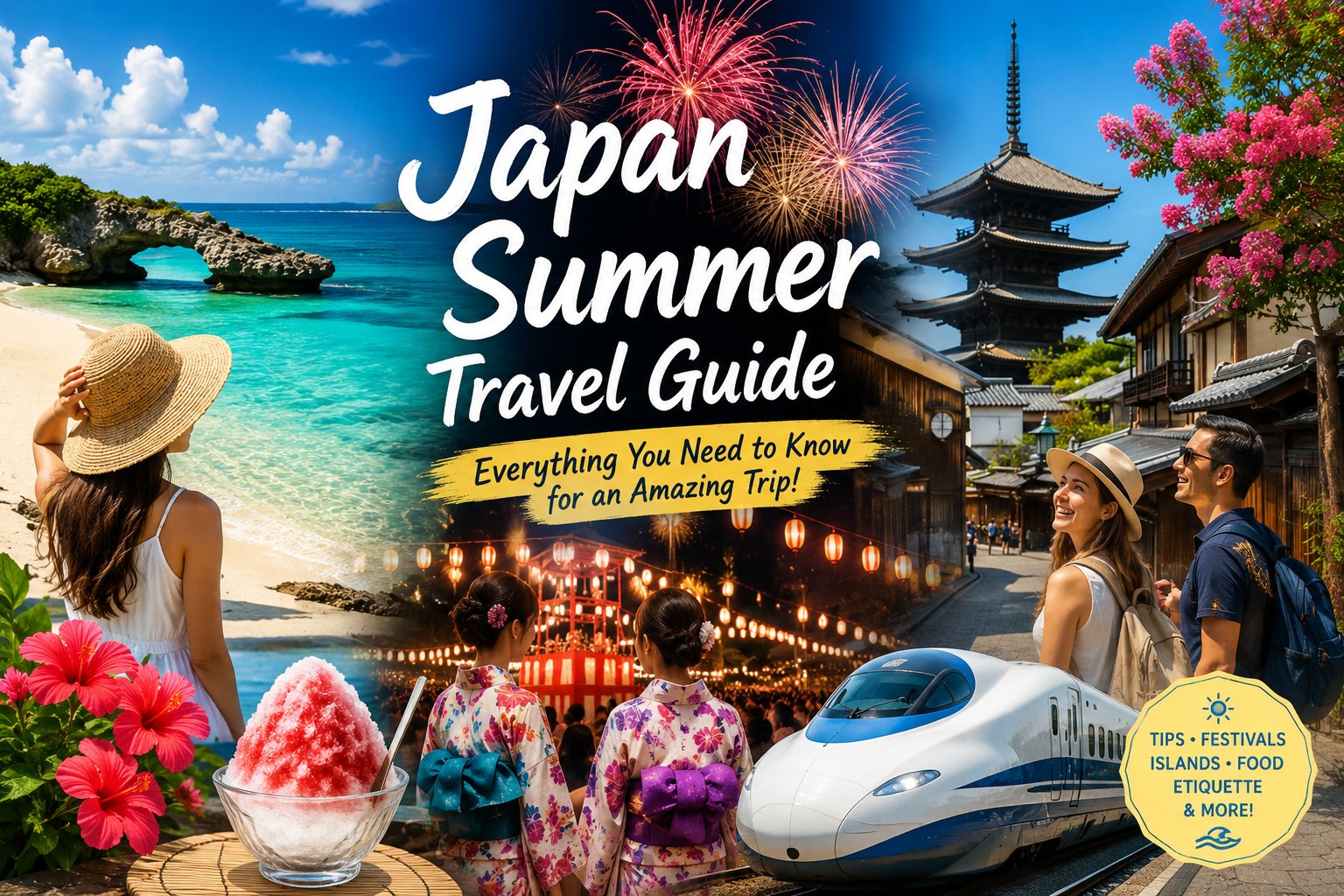
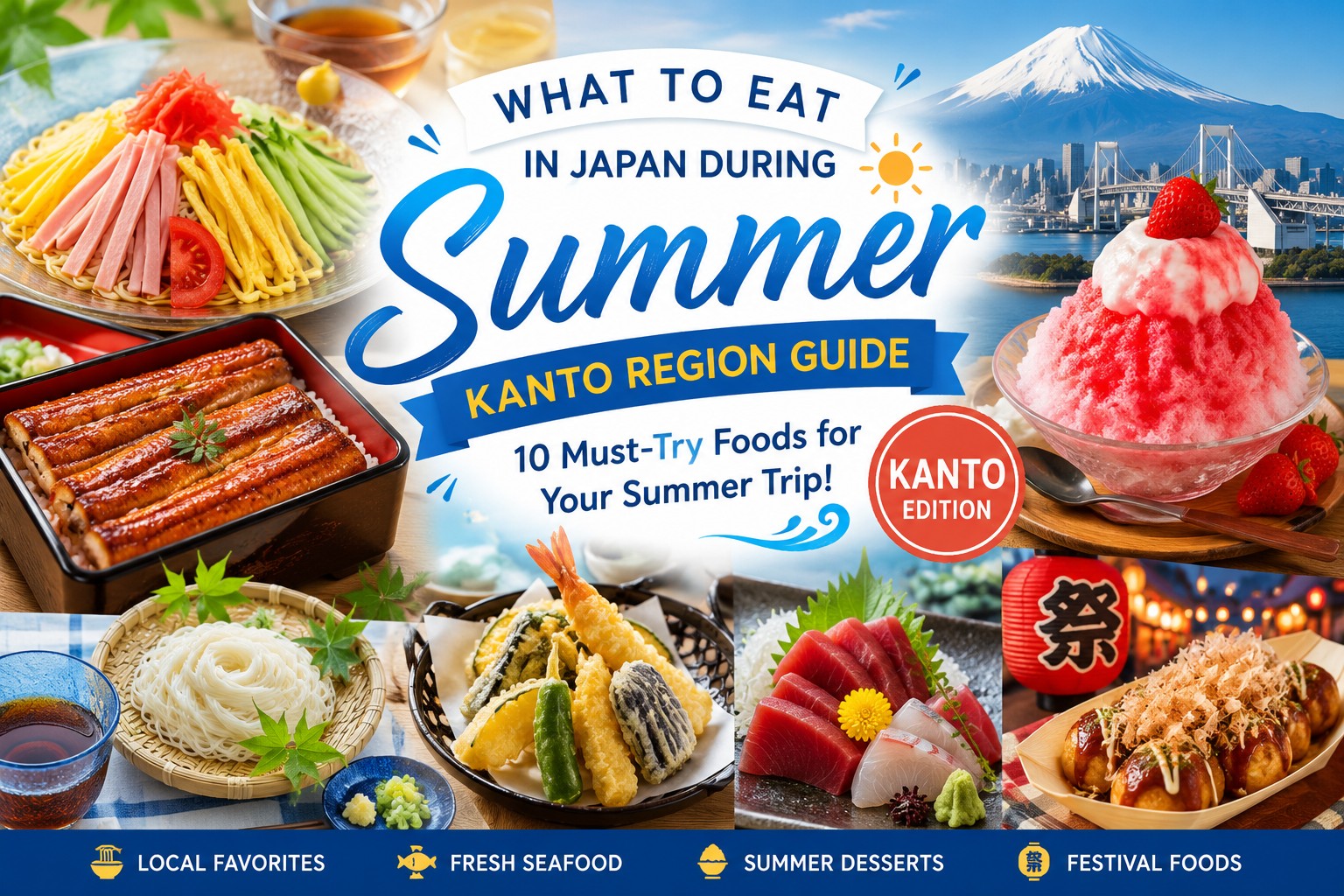
Summer in Japan is more than festivals, beaches, and fireworks.
It’s also one of the best seasons to discover unique Japanese cuisine.
From refreshing cold noodles to seasonal seafood and shaved ice desserts, summer foods help locals stay energized during Japan’s hot and humid months.
If you’re visiting Tokyo, Yokohama, Kamakura, Chiba, or other destinations in the Kanto region, this guide will help you discover the must-try dishes of a Japanese summer.
Whether you’re a foodie or a first-time visitor, these are the flavors you shouldn’t miss.
Why Summer Food in Japan Is Special
Japan places great importance on seasonal ingredients.
Many dishes are only available during specific times of the year, and summer offers unique flavors designed to beat the heat.
You’ll find:
- Light and refreshing meals
- Fresh seafood
- Seasonal vegetables
- Cooling desserts
- Festival street food
Eating seasonally is a major part of Japanese culture, making summer an ideal time for culinary exploration.
1. Hiyashi Chuka (Cold Ramen)
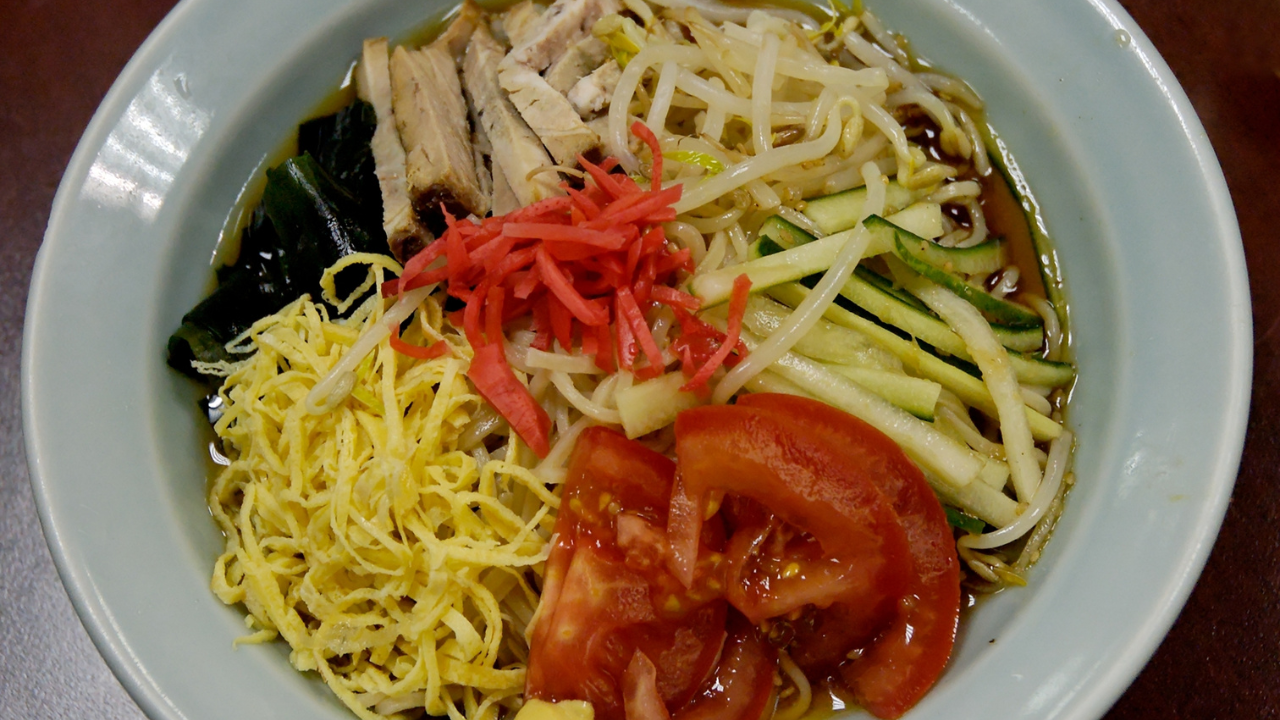
Perhaps the most iconic Japanese summer dish.
Hiyashi Chuka literally means “cold Chinese-style noodles.”
Unlike traditional hot ramen, these chilled noodles are topped with colorful ingredients such as:
- Cucumber
- Ham
- Egg
- Tomato
- Crab sticks
The noodles are served with a refreshing soy-based or sesame dressing.
Where to Try It
Many ramen restaurants and family restaurants throughout Tokyo offer Hiyashi Chuka from June through September.
Why Visitors Love It
- Refreshing on hot days
- Easy to eat
- Beautiful presentation
- Affordable
2. Kakigori (Japanese Shaved Ice)
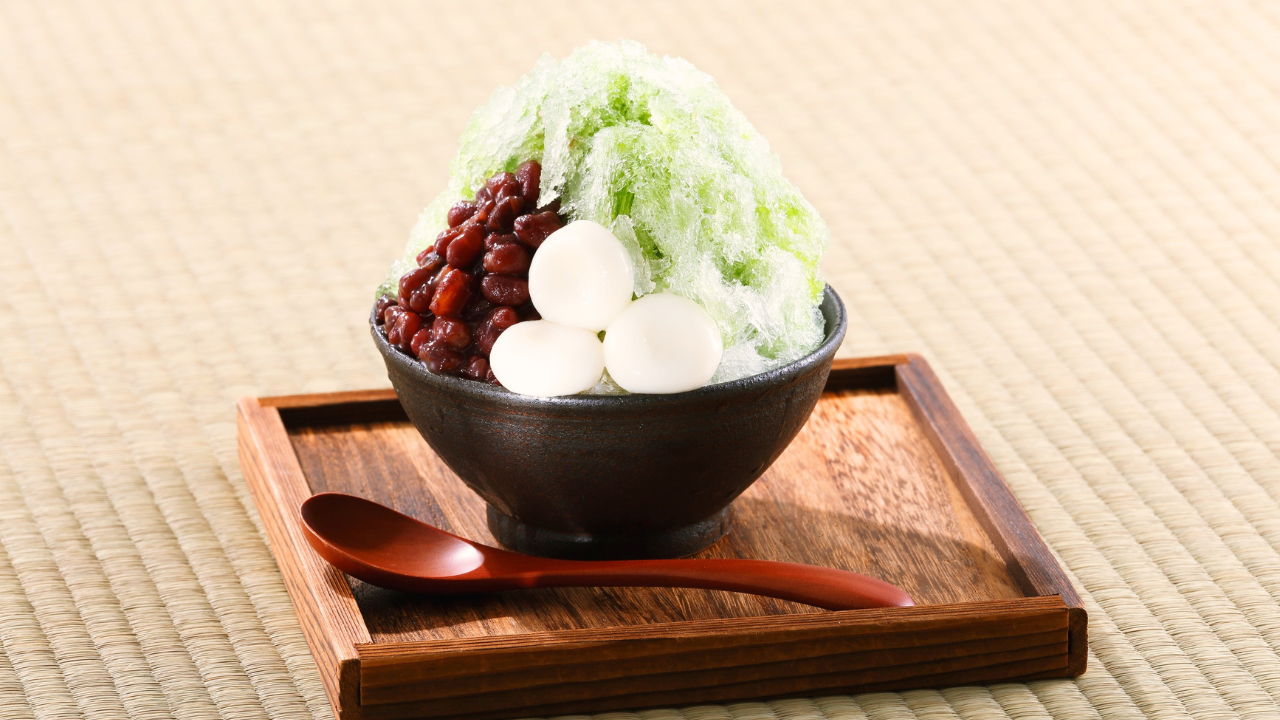
No summer trip to Japan is complete without Kakigori.
Unlike Western snow cones, Japanese shaved ice is incredibly soft and fluffy.
Popular flavors include:
- Strawberry
- Matcha
- Mango
- Lemon
- Milk
Premium shops often use natural ice and fresh fruit.
Best Places in Kanto
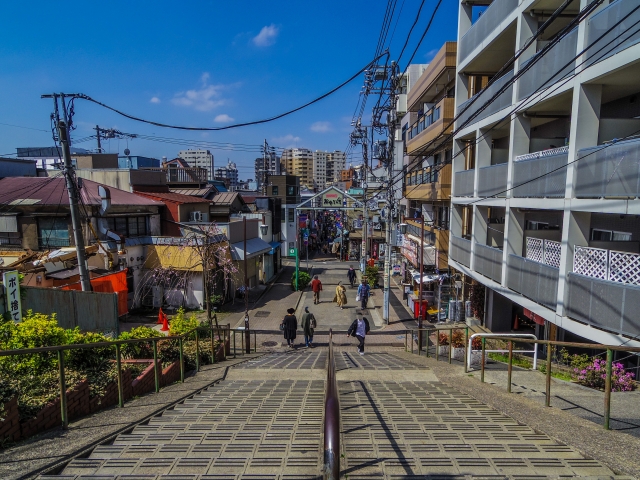
Tokyo is famous for specialty Kakigori cafés, particularly in:
- Asakusa
- Ginza
- Shibuya
- Yanaka
Many shops create seasonal menus available only during summer.
Why You Should Try It
The texture is unlike anything most international visitors have experienced.
3. Unagi (Grilled Eel)
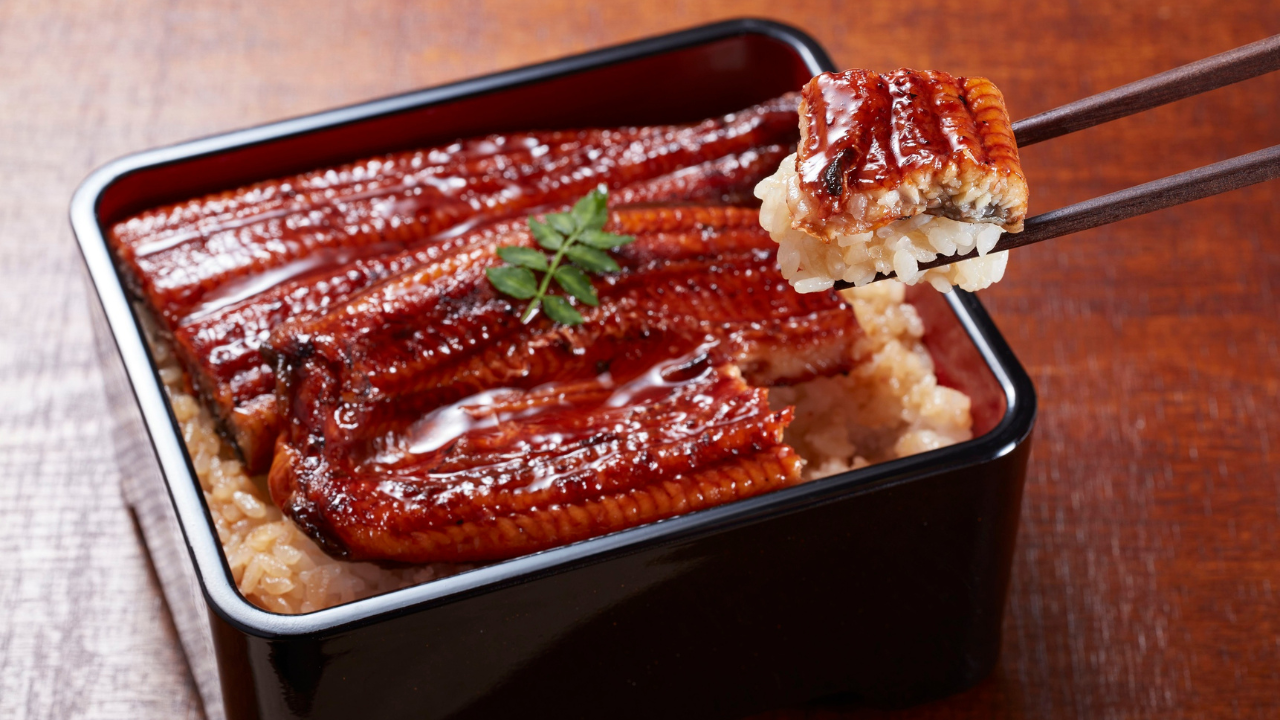
Summer in Japan is closely associated with Unagi.
Japanese people traditionally eat eel during the hottest part of summer to restore energy.
The eel is grilled over charcoal and glazed with a sweet soy-based sauce.
It is usually served over rice as:
Unadon or Unaju.
Famous Areas
Some of the best eel restaurants can be found in:
- Tokyo
- Narita (Chiba Prefecture)
- Kawagoe (Saitama Prefecture)
Cultural Significance
Eating eel in summer is a tradition dating back hundreds of years.
4. Somen (Cold Wheat Noodles)
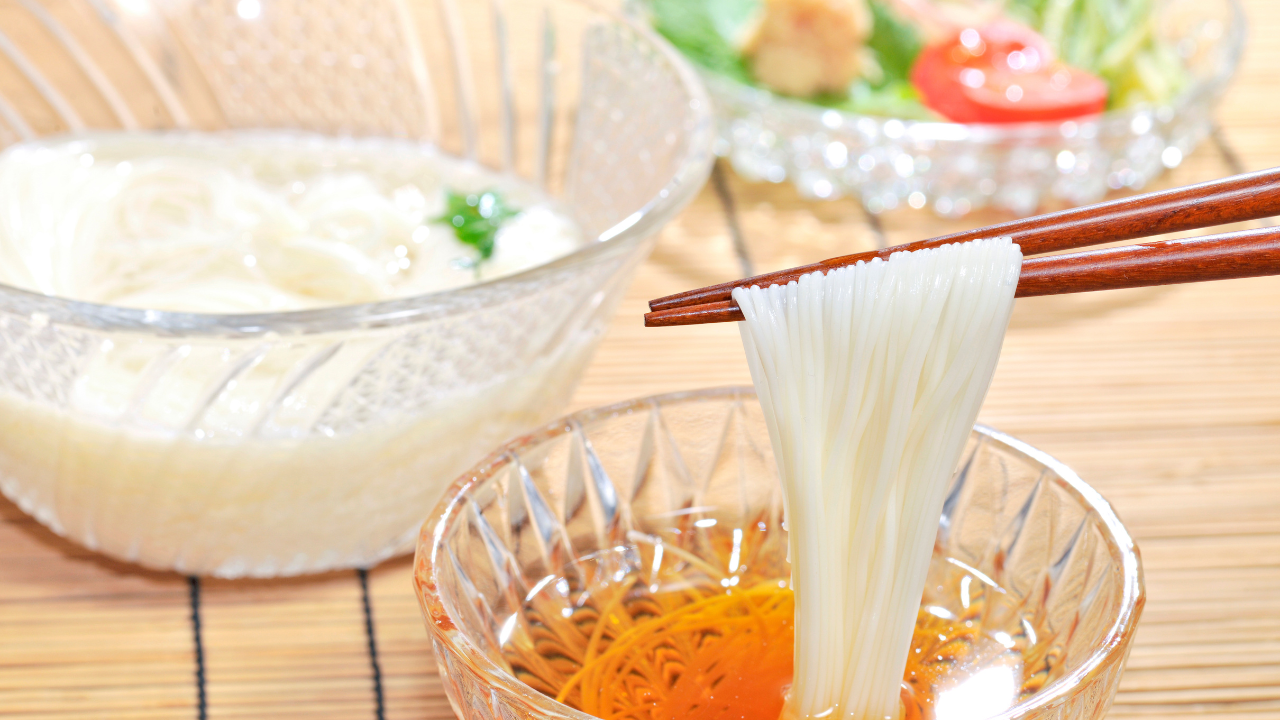
Somen are extremely thin wheat noodles served cold.
They are dipped into a light broth before eating.
This simple dish is especially popular during hot summer afternoons.
Traditional Experience
Some restaurants offer:
Nagashi Somen
where noodles flow down a bamboo channel filled with cold water.
Guests catch the noodles with chopsticks before dipping them into sauce.
This experience is particularly popular among international visitors.
5. Fresh Seafood from Choshi and Miura
The Kanto region is surrounded by excellent fishing areas.
Summer seafood highlights include:
- Tuna
- Horse mackerel
- Sardines
- Squid
- Sea bream
Best Places
Choshi (Chiba)
One of Japan’s largest fishing ports.
Miura Peninsula (Kanagawa)
Known for fresh seafood and oceanfront restaurants.
Why Visit
You can enjoy seafood caught just hours before it reaches your plate.
6. Summer Tempura
While tempura is available year-round, summer ingredients create unique seasonal menus.
Popular summer tempura ingredients include:
- Corn
- Okra
- Eggplant
- Shishito peppers
- Conger eel (Anago)
The light batter perfectly complements fresh summer vegetables.
7. Japanese Festival Food
Summer is festival season across Kanto.
Food stalls are an essential part of the experience.
Popular festival foods include:
Takoyaki
Octopus balls topped with sauce and bonito flakes.
Yakisoba
Japanese stir-fried noodles.
Grilled Corn
A festival favorite brushed with soy sauce.
Chocolate Bananas
A nostalgic Japanese summer snack.
Candied Apples
A classic festival treat.
Baby Castella
Small sponge cakes sold fresh from street vendors.
8. Cold Matcha Desserts
Japan’s green tea culture shines during summer.
Popular treats include:
- Matcha parfaits
- Matcha soft serve ice cream
- Matcha jelly
- Matcha shaved ice
These desserts are especially popular in:
- Asakusa
- Ueno
- Kamakura
9. Ayu (Sweetfish)
Ayu is often called the “fish of summer.”
It is grilled with salt and served whole.
The flavor is delicate and slightly sweet.
Where to Find It
Restaurants near rivers in:
- Gunma
- Tochigi
- Western Tokyo
often serve Ayu during summer.
10. Japanese Summer Fruits
Summer fruits in Japan are famous for their quality.
Must-try options include:
Japanese Peach
Exceptionally sweet and juicy.
Watermelon
A summer staple throughout Japan.
Muskmelon
Considered a luxury fruit.
Mango
Especially popular during summer.
Many department stores and fruit cafés create seasonal desserts using these ingredients.
Best Food Markets to Visit in Kanto
- Where to Try It
- Why Visitors Love It
- Best Places in Kanto
- Why You Should Try It
- Famous Areas
- Cultural Significance
- Traditional Experience
- Best Places
- Why Visit
- Takoyaki
- Yakisoba
- Grilled Corn
- Chocolate Bananas
- Candied Apples
- Baby Castella
- Where to Find It
- Japanese Peach
- Watermelon
- Muskmelon
- Mango
- Tsukiji Outer Market (Tokyo)
- Ameyoko Market (Tokyo)
- Yokohama Chinatown
- Choshi Port Area (Chiba)
Tsukiji Outer Market (Tokyo)
Perfect for seafood lovers.
Ameyoko Market (Tokyo)
Great for street food and local snacks.
Yokohama Chinatown
One of the largest Chinatowns in the world.
Choshi Port Area (Chiba)
Excellent for fresh seafood.
Food Etiquette Tips for Visitors
Before enjoying Japanese food, remember:
Say “Itadakimasu”
A phrase expressing gratitude before eating.
Don’t Stick Chopsticks Upright in Rice
This resembles a funeral ritual.
Slurping Noodles Is Acceptable
In fact, it is often encouraged.
Share Respectfully
Use serving utensils when available.
These small cultural details can enhance your dining experience.
Final Thoughts
Japanese summer cuisine is designed to refresh, energize, and celebrate the season.
From fluffy Kakigori and chilled noodles to fresh seafood and traditional festival foods, every meal tells a story about Japan’s culture and climate.
If you’re traveling through Tokyo and the Kanto region this summer, don’t just visit the attractions.
Eat like a local.
You may discover that some of your favorite memories of Japan come from the meals you share along the way.