Autumn is one of the most beautiful seasons to visit Japan.
Cool temperatures, colorful maple leaves, delicious seasonal food, and fewer hot summer days make September through November a favorite time for travelers from around the world.
But if it’s your first visit, you probably have plenty of questions.
- Is Japan expensive?
- Do I need cash?
- Is public transportation easy?
- Will I be able to communicate in English?
- Are Japanese islands easy to visit?
This guide answers the most common concerns so you can travel with confidence.
- 1. Japan Is Surprisingly Safe
- 2. Cash Is Still Useful
- 3. Public Transportation Is Excellent
- 4. Don’t Worry if You Don’t Speak Japanese
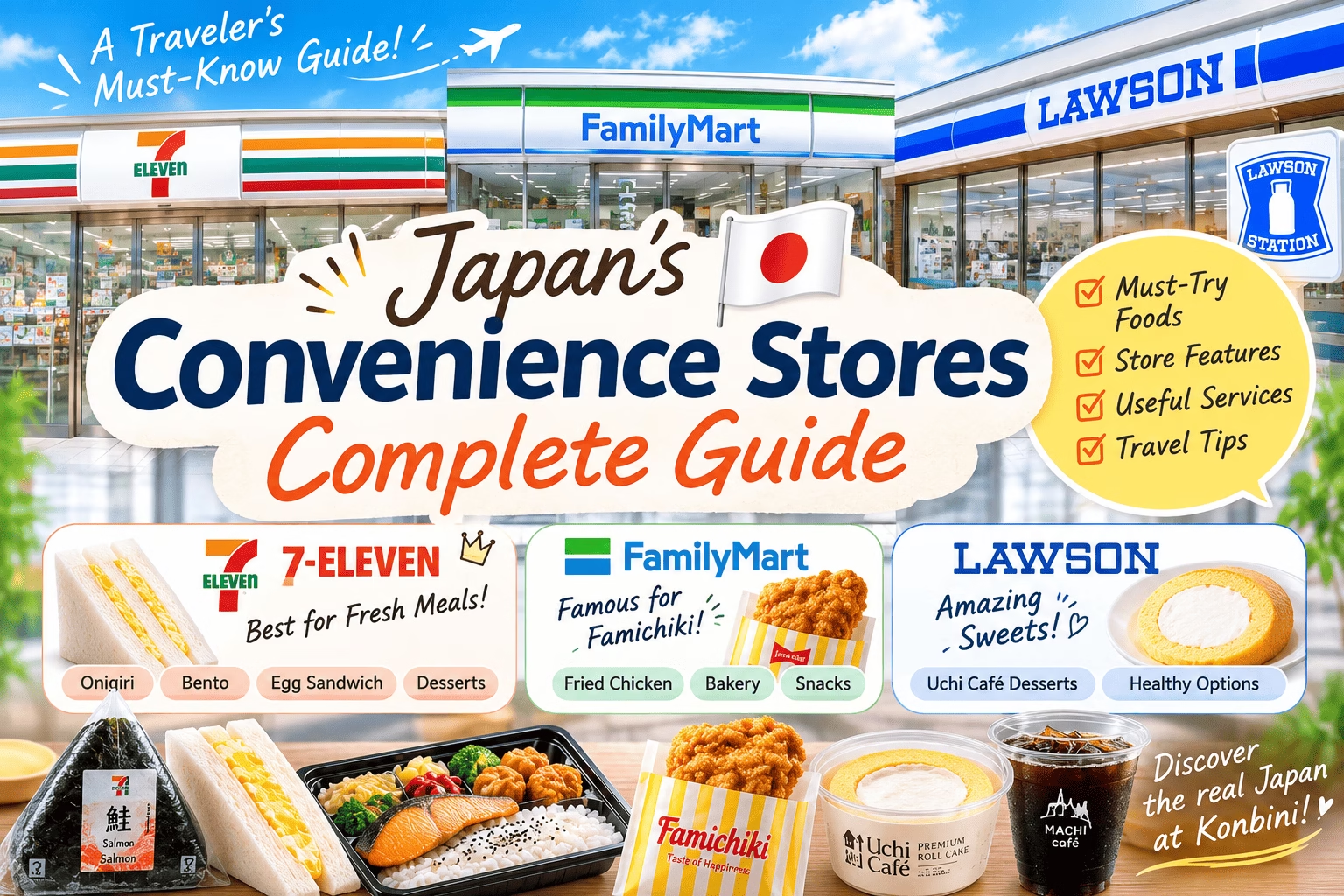
- 5. Convenience Stores Are Amazing
- 6. Autumn Weather Can Change Quickly
- 7. Respect Local Etiquette
- 8. Internet Access Is Easy
- 9. Island Travel Is Easier Than You Think
- 10. Reserve Transportation Early
- 11. Pack Comfortable Shoes
- 12. Try Seasonal Autumn Food
- 13. Don’t Overpack Your Schedule
- 14. Add One Hidden Destination
- 15. Your Best Memories May Come From Unexpected Places
- Final Thoughts
1. Japan Is Surprisingly Safe
Japan consistently ranks as one of the safest countries in the world.
Even in large cities like Tokyo or Osaka, it’s common to see people walking alone late at night.
Lost wallets and phones are often returned to police stations.
Of course, you should always take normal travel precautions, but many visitors say they feel safer in Japan than anywhere else they’ve traveled.
2. Cash Is Still Useful
Although credit cards are becoming more common, cash is still important.
You should carry some Japanese yen for:
- Small restaurants
- Local markets
- Shrines and temples
- Rural towns
- Small island communities
Convenience stores such as 7-Eleven usually have international ATMs that accept foreign cards.
3. Public Transportation Is Excellent
Japan’s trains are famous for being:
- Clean
- Safe
- On time
- Easy to use
Google Maps works extremely well for navigating trains and buses.
If you’re traveling between major cities, consider purchasing a JR Pass only if your itinerary makes it cost-effective.
4. Don’t Worry if You Don’t Speak Japanese
You don’t need to be fluent.
Many tourist attractions have English signs, and translation apps make communication much easier than before.
Learning a few simple phrases is appreciated:
- Thank you
- Excuse me
- Please
- Hello
A smile goes a long way.
5. Convenience Stores Are Amazing
Japanese convenience stores are unlike those in many other countries.
You can buy:
- Fresh meals
- Coffee
- Desserts
- Tickets
- ATM services
- Toiletries
- Travel essentials
They’re perfect for travelers on the go.
6. Autumn Weather Can Change Quickly
September may still feel like summer, while November can be quite chilly depending on the region.
Pack layers such as:
- Light jackets
- Sweaters
- Comfortable walking shoes
- Compact umbrella
Mountain areas and northern Japan become much cooler earlier in the season.
7. Respect Local Etiquette
Japanese culture values consideration for others.
Simple customs include:
- Speaking quietly on trains
- Taking your trash with you if no bins are available
- Standing on one side of escalators (varies by region)
- Removing shoes where required
You don’t need to know every rule—being polite and observant is enough.
8. Internet Access Is Easy
Most travelers choose one of these options:
- eSIM
- Pocket Wi-Fi
- Physical SIM card
Having internet access makes transportation, translation, and restaurant searches much easier.
9. Island Travel Is Easier Than You Think
Many visitors only see Tokyo, Kyoto, and Osaka.
But Japan has hundreds of beautiful islands offering a completely different experience.
Imagine:
- Quiet beaches
- Crystal-clear water
- Local seafood
- Friendly communities
- Slower travel
If you’re looking for authentic Japan, the islands are worth adding to your itinerary.
10. Reserve Transportation Early
Autumn is one of Japan’s busiest travel seasons.
Book early for:
- Domestic flights
- Ferries
- Popular accommodations
- Rental cars
This is especially important if you’re planning to visit remote islands.
11. Pack Comfortable Shoes
You’ll likely walk much more than expected.
Many travelers easily exceed 15,000–20,000 steps in a day while exploring cities, gardens, temples, and islands.
Comfortable footwear can make a huge difference.
12. Try Seasonal Autumn Food
Autumn is known as the season of great food in Japan.
Look for specialties such as:
- Roasted sweet potatoes
- Matsutake mushrooms
- Chestnut desserts
- Persimmons
- Fresh seafood
Regional cuisine is one of the highlights of any trip.
13. Don’t Overpack Your Schedule
Many first-time visitors try to see too much.
Instead of rushing through five cities in one week, consider spending more time in fewer places.
You’ll enjoy a more relaxed and meaningful experience.
14. Add One Hidden Destination
Beyond Japan’s famous cities are countless lesser-known destinations.
Small islands, fishing villages, and rural communities offer unique scenery and warm hospitality.
These places often become travelers’ favorite memories.
15. Your Best Memories May Come From Unexpected Places
Japan isn’t only about famous landmarks.
Sometimes it’s:
- A quiet seaside café
- A conversation with a local resident
- Watching the sunset from a ferry
- Discovering a peaceful island with few tourists
These moments often become the stories you’ll remember long after your trip ends.
Final Thoughts
Planning your first trip to Japan can feel overwhelming, but it doesn’t have to be.
With a little preparation, you’ll discover a country that is safe, welcoming, efficient, and full of unforgettable experiences.
If you’re looking for destinations beyond the usual tourist route, don’t miss Japan’s beautiful islands.
At ShimaSuki, we share practical guides and local insights to help you discover the quieter, more authentic side of Japan—one island at a time.